
What is the ideal bedroom temperature and why does an overheated room backfire even before you fall asleep? The answer is more specific than expected — and has less to do with heating than you would guess.
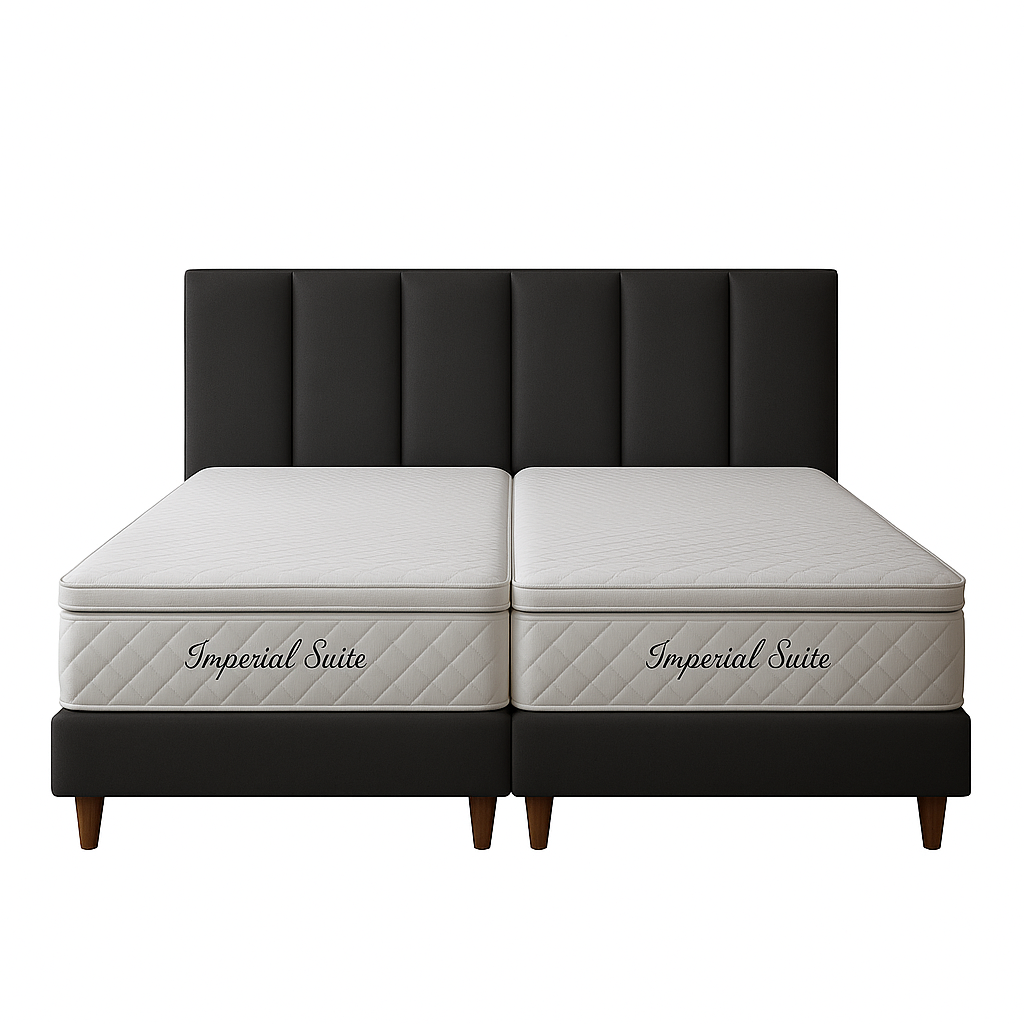
According to sleep recommendations, the ideal bedroom temperature is between 16 to 19 °C, with the optimum around 18 °C. Yet during the heating season, most Czech households maintain a temperature of 21 to 23 °C in the bedroom — exactly the same as in the living room. It is precisely this difference that is often the reason why a person tosses and turns in bed without knowing why.
Why the ideal bedroom temperature is lower than you expect
Body temperature is not constant throughout the day. Roughly an hour to two hours before the usual time of falling asleep, it begins to drop naturally, and this drop is one of the signals the body uses to transition into sleep. For the heat to be able to leave the body, the surrounding air needs to be cooler than the skin.
In an overheated room, this drop does not happen so easily. The body tries to cool itself down through more intense sweating, sleep is lighter, and a person wakes up more frequently — often so briefly that they don't even remember it. A cooler bedroom simply doesn't get in the way of this process.
The other side of the coin applies equally: below 15 °C, the body, by contrast, expends energy on keeping warm, and sleep becomes fragmented once more. The goal is therefore not to freeze, but to hit the right range.
How many degrees in winter and how many in summer
The seasons do not change the recommended range, they change the way you get into it. In winter it is about setting the heating and ventilation, in summer about shading and airflow.
| Situation | Recommended temperature | What to focus on |
|---|---|---|
| Winter, heating season | 16–18 °C | Turn down the bedroom thermostat by 2–3 °C compared to the rest of the flat, and ventilate briefly and intensively before going to bed |
| Transition period | 17–19 °C | Leave the window on the latch, adjust the thickness of the blanket |
| Summer, tropical nights | 19–21 °C (realistically as much as possible) | Keep out the sun during the day, ventilate early in the morning and late in the evening, a lighter duvet and breathable bed linen |
| Children's room | 18–20 °C | Rather layer clothing than increase the room temperature |
Children's and babies' bedrooms
For small children, the upper limit of the range is recommended, that is 18 to 20 °C. But the principle is the same as for adults: address the temperature through layering, not by overheating. An overheated child wakes up just like an overheated adult, they just find it harder to communicate.
Air humidity is inextricably linked to temperature
A thermometer alone does not tell the whole story. It feels different to breathe at 18 °C and 30 % humidity than at 18 °C and 60 % humidity. The recommended range for relative humidity in the bedroom is 40 to 60 %.
During the heating season, humidity typically falls below 35 %, which manifests as dry mucous membranes and a dry throat in the morning. A bowl of water on the radiator, houseplants or a humidifier can help. In summer and in poorly ventilated rooms, the problem is the opposite — humidity above 65 % makes even 20 °C feel uncomfortably stuffy.
How to fine-tune the temperature with bedding and mattress
Air temperature is only half the equation. The other half is the microclimate right beneath your duvet, where you hover around 30 °C regardless of what the thermometer on the wall says. This is precisely where you can intervene most cheaply and quickly.

- Seasonal duvet. An all-year duvet is a compromise that works neither in January nor in July. More practical are two different weights — in our range feather and synthetic duvets you will find both summer and winter options, or alternatively sets that can be joined together.
- Breathable bedding. Cotton, linen and satin wick away moisture significantly better than microfibre. natural material bed linen the difference is especially noticeable in summer.
- A fitted sheet. A fitted sheet pulled tight over night ruins the bed's feel more than an extra degree of warmth. For mattresses deeper than 24 cm, you need fitted sheet designed for deep mattresses with a sufficiently deep pocket.
- A pillow with good heat dissipation. The head overheats first. Choose pillow with breathable filling instead of a compact foam mattress, if you often toss and turn at night due to the heat.
- Mattress construction. High mattresses with pocket springs allow air to pass through the entire core, whereas compact memory foam tends to retain heat. When it comes to covers, the material solves this — Purotex with probiotics or Royal Silver with silver threads stay dry for longer.
Three mistakes that mess up the temperature in the bedroom
- Window closed all day. A bedroom that gets no fresh air has high humidity and CO₂ levels by the evening. A short, sharp burst of ventilation before bedtime takes care of both.
- Radiator behind the bed without regulation. A thermostatic radiator valve set to one or two will do more in the bedroom than replacing the duvet.
- A hot shower right before bedtime. The body has to cool down after it first. A lukewarm shower roughly an hour before going to bed works better.
When the temperature is adjusted and you still sleep badly
Temperature, humidity and bedding account for a large proportion of night waking issues. The rest usually lies in the mattress — in its firmness, lumbar support or simply its age. At half-past two in the morning, however, the difference between „I'm hot“ and „my back hurts“ is hard to tell apart.
Trying out the firmness levels side by side is the quickest way to make up your mind. Come to the showroom at Vinohradská 37/13 in Prague or to Hradec Králové, or get straight in touch with our advisor To Petr Žák n/a 725 708 777 or zak@royalcomfort.cz. We will help you choose based on how and in what you sleep.